

Working from home,residential trends and new housing opportunities
In just over a year, the working model in our country has changed completely. Overnight, millions of employees had to turn their homes into improvised offices and workspaces. Previously, less than 5% worked from home, but due to lockdown they skyrocketed to 34%. And we haven’t just seen a shift in paradigm in employment as a result of the pandemic; our priorities for what we want in a home have also changed. As has the way we interact with our homes.
Where to work from home?
The decentralization of work has led to several trends. On the one hand, we have employees who want a home that although it’s some distance from the city center, has more space, natural light and access to the outdoors and green areas. On the other, professionals who can do their job from anywhere, the so-called digital nomads who decide to move to countries like Spain or our Mediterranean neighbors offering better quality of life.
Movements to the suburbs and rural areas
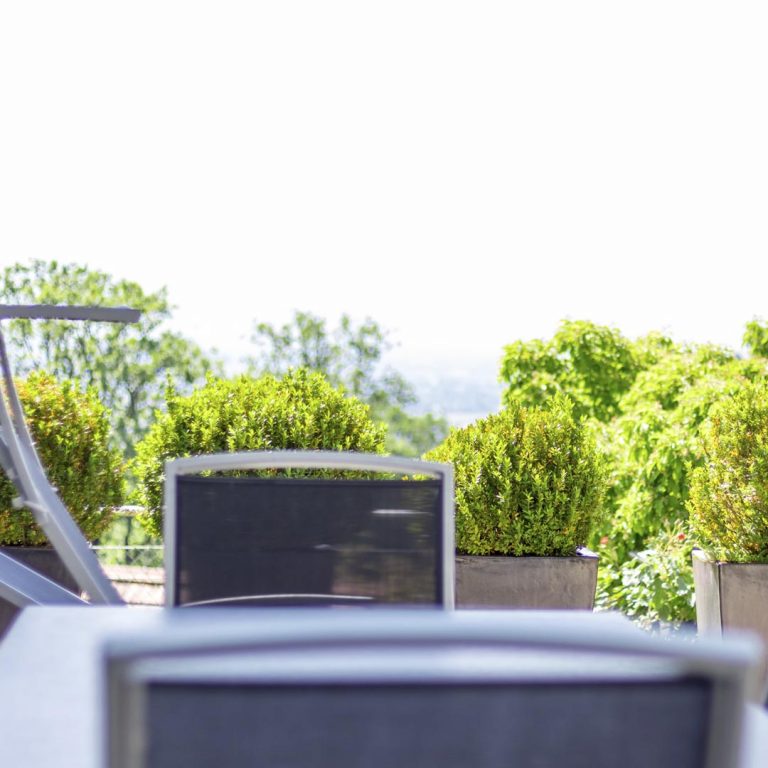
Together with price, location is one of the main factors we bear in mind when we buy property. However, with the rise in working from home, people want homes in pleasant surroundings, with good amenities, open spaces and with more rooms to allow them to separate work from personal and family life.
As a result, city centers are starting to become less appealing than the suburbs where it’s possible to buy a property with a much lower square meter price. According to the property portal Idealista,buying a property in a small town can save up to 52% on the price. Unsurprisingly with this new working from home paradigm, searches for property in provincial capitals have fallen from 44.1% to 38.8%.
The move to the suburbs or outlying towns brings opportunities to small and medium developers who are usually unable to afford the high land prices in urban areas to carry out new construction.
It’s also an opening for the creation of more livable homes, as José Álvarez, CEO at Synesi, explains.
“Many developments constructed over the last few years weren’t built for people. There’s hardly room to have a family and store a bike,” he says. “It’s important to put people back in the picture. And that’s something that should start happening in new developments in the suburbs where land is cheaper and you can afford to build a profitable and more livable development.”
The question is, will this actually happen or will the trend for more buildings and less space continue? At Synesi, Carlos Álvarez, CEO, is convinced that this question is what sets some developers apart from the rest. It differentiates “those who take the risk of making the most of the land and permitted build size to create more financially profitable homes from those who are committed to better quality of life. However, profit will be relative because the developer who commits to something that’s more livable will sell before the one who commits to a smaller home with the aim of making more profit”.
Working from home in a country with better quality of life
Since being near the office is no longer necessary, people are not only moving to the suburbs, outlying areas and the country. There’s also a growing trend to relocate to countries that offer more quality of life: a pleasant climate, good food, security and affordable house prices. According to Expat City Ranking, four of the best cities in the world to live in and set up a home office are in Spain: Valencia, Alicante, Malaga and Madrid.
José Álvarez believes that “differences aside, the current scenario could be compared to the history of Silicon Valley, which started to fill up with people who had been offered good jobs in New York and accepted them on the condition that they could do them from California”. In this sense, regions such as Andalusia with its climate, surroundings and quality of life, “have a golden opportunity to attract foreign professionals”.
It’s too early to say what sort of investment these temporary professionals will make when they move to Spain. However, certain trends are on the rise such as build to rent that allows employees to try renting in a city before they make the definitive move. It’s something that used to be offered in high-rises, but with the increase in working from home it could shift to residential areas with amenities designed more for families and that aren’t necessarily in city centers and close to the workplace.
The summer property market also opens up a wide range of possibilities for working from home: guaranteed time off and holidays, investment that could generate future returns and good negotiating opportunities.
Other ways of living in homes and cities
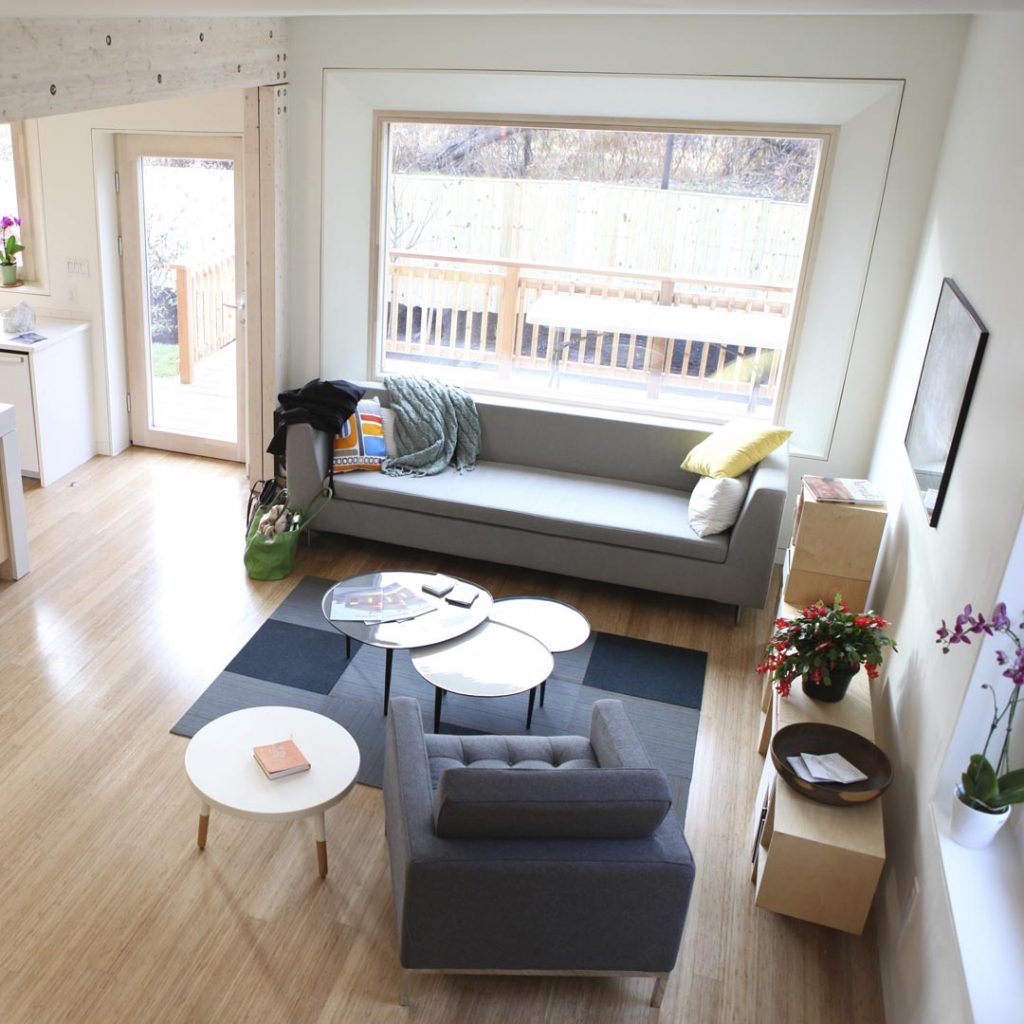
Over the last year, it has been proven that the homes we live in in the center of large cities are not designed as a workplace. We’re living in different times that also mean new planning trends. Apart from migration to the country or towns on the outskirts of cities, the spotlight is also on the creation of innovative residential projects. Like those that look to include leisure, sports and entertainment facilities within residential developments themselves as well as communal work areas similar to those previously set up by coworking spaces.
Another project improving people’s relationship, in this case, with the city is one that Paris has been working on for a while to reduce pollution and improve inhabitants’ quality of life. It has finally come to fruition with the arrival of coronavirus.
Namely, the well-known “15-minute city”. The proposal sets out a completely different concept of the city seen in urban planning over the last 100 years that separated residential areas from work, small shops, industry and entertainment. Instead, the new model proposes that every inhabitant can easily reach and in just a few minutes on foot or by bike the six essential urban social functions: life, work, provisions, health, education and rest.
This can be applied not only to large cities, but also to villages and small towns and presents a fantastic opportunity to provide all the necessary services and thereby decentralize our everyday life. If we take the last year as an example, we can see that it has been more than proven that when it comes to employment, decentralization of work is possible.
Pros and cons of working from home: where are we going?
When faced with this scenario, one question is bound to come up: is working from home here to stay? According to José Álvarez, “if we read related reports, the conclusion is that we really have no idea. It probably won’t be one or the other – neither full time working from home or a return to the office as before, but a mixed model”. Obviously, making the most in one way or another of the best offered by each will depend on the job situation in which employees find themselves. As well as on their age, experience, level of responsibility, qualifications and their needs.
Some of the advantages of working from home appear obvious such as the reduction in fixed costs for the company and at individual level by reducing spending on travel and meal. Or a better balance between personal and work life. However, there’s still some controversy over whether working from home has more pros or cons and it will be some time before real results can be measured to evaluate the advantages or disadvantages of its deployment, together with the right legislation to regulate it.






No comment yet, add your voice below!