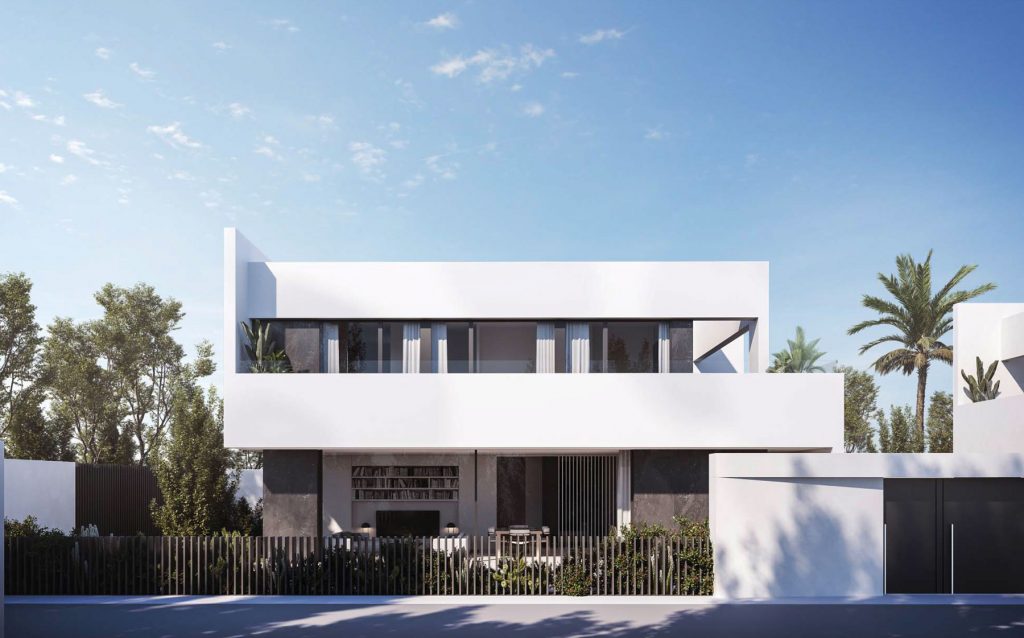
Villa Horacia, signature homes in Sanlúcar de Barrameda.
Auriga Uno and Synesi
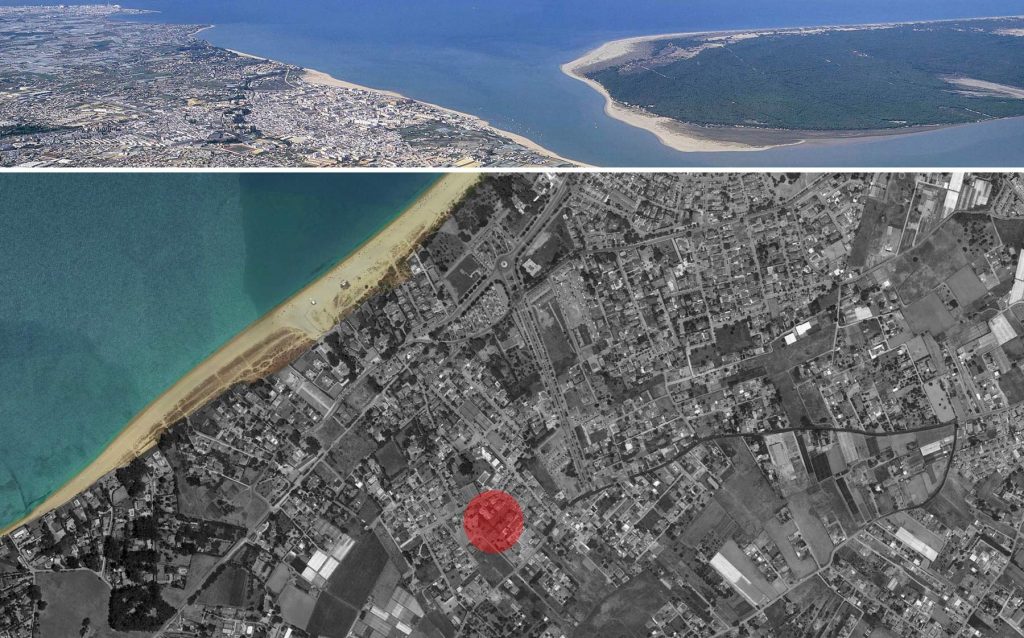
In 2007, a group of investors bought a lot in Sanlúcar de Barrameda (in southwest Spain). Due to a succession of financial and economic crises, the planned property development projects on it were cancelled for more than a decade. Faced with the prospect of ruinous divestment, the investors decided to contract Synesi’s services.
A commitment to property development to overcome myriad challenges.
The situation raised a series of complex financial and logistical challenges:
- Although the investors’ intention after so long was to sell the lot and attempt to recuperate their investment, the market price was far below the cost price.
- According to planning regulations in place at the time, just two single family homes could be built on the lot and they would have to be sold well above market price to recover the investment.
- Construction costs were at their highest for a decade due to the increase in price for concrete and the shortage of qualified labor. Together, these meant costs were up to 20% higher than the cost guaranteeing the project’s viability.
- In addition, there were other financial obstacles such as the banks’ requisite of selling at least 70% of the development before construction could start. Although several buyers had paid a deposit into the company’s bank accounts, the banks required that the company partners guarantee these accounts with their personal assets.
The Synesi solution
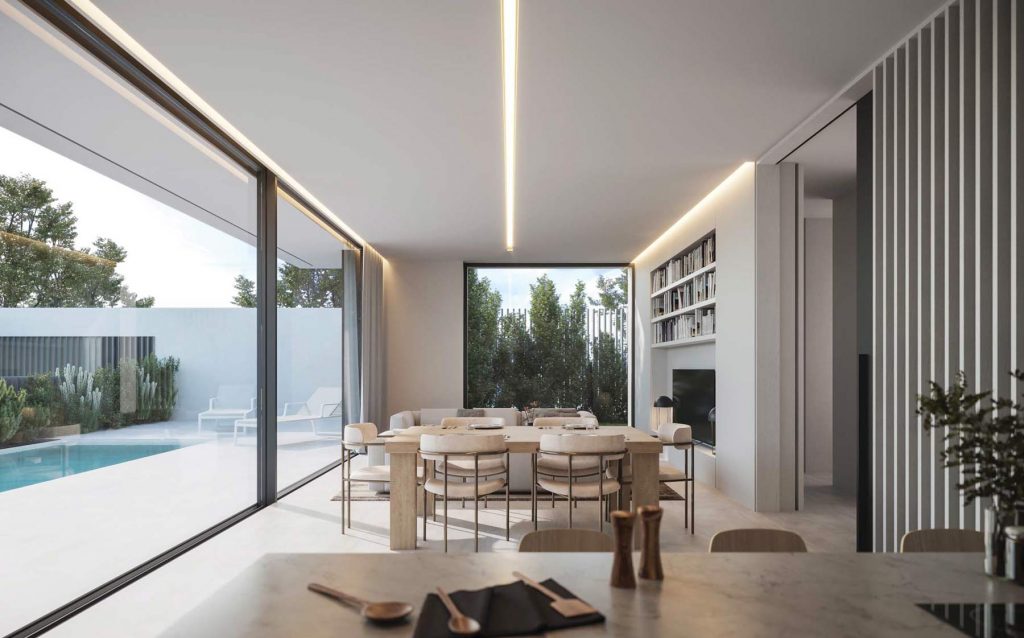
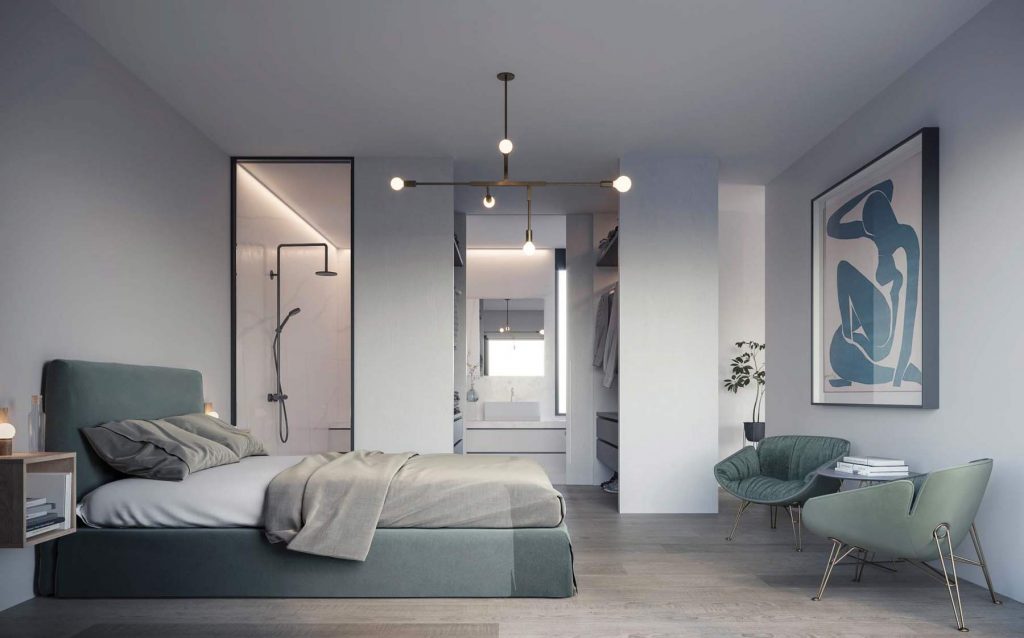
In this case, the key was avoid thinking like a property developer and get involved as entrepreneurs identified with an exciting project.
We put together a team made up of, among others, planning experts and architects to look at possible solutions. We came to the same conclusion that the best way of divesting was to develop the lot.
This obviously meant finding solutions to the problems laid out previously:
- When we looked at the planning regulations in detail, we realized that an alternative interpretation was possible allowing the construction of three smaller homes. After months of dealing with those in charge of legal and technical aspects we received the go ahead.
- A large part of the excess cost of construction came from the subcontracting carried out by the building companies. We therefore decided to contract directly through Synesi. We chose the proposals with the best ratio in terms of standing, quality and price. This involved an enormous logistical and management challenge, but even after reinforcing the team with an expert responsible for control and supervision, we brought costs down by over 20%.
- We overcame the financial difficulties thanks to our previous experience in the investment bank sector. We were familiar with financing backed by the quality of the project or project financing. Comparing costs, we concluded that the project was viable by getting investors interested in a 7% return on the capital invested.
- To achieve this objective, we spoke with the guilds hired for the construction and proposed a discount for prompt payment. Not only did they accept the proposal but they also gave our project priority. This meant that the construction period was reduced by six months with the corresponding saving in interest.
- Lastly, we needed to sell the homes at 5% more than their off-plan price. The only way of achieving this objective was by creating a higher quality product with a design for people that was also innovative and sustainable. We were able to do this thanks to the work of Juan Vega Architects.
The Results
Although our initial objective was to recuperate the investment, we decided to set ourselves a much more ambitious one: to make the project profitable.
The solutions we applied meant that the project generated a profit of over 14%, at the high end of the usual ratios in the sector.
Without doubt, Synesi’s consultancy model of selecting and bringing together the best multi-discipline team of professionals for each project proved its efficiency.